 Sushi Restaurant Edinburgh
Hidden Gem Sushi Spots in Edinburgh
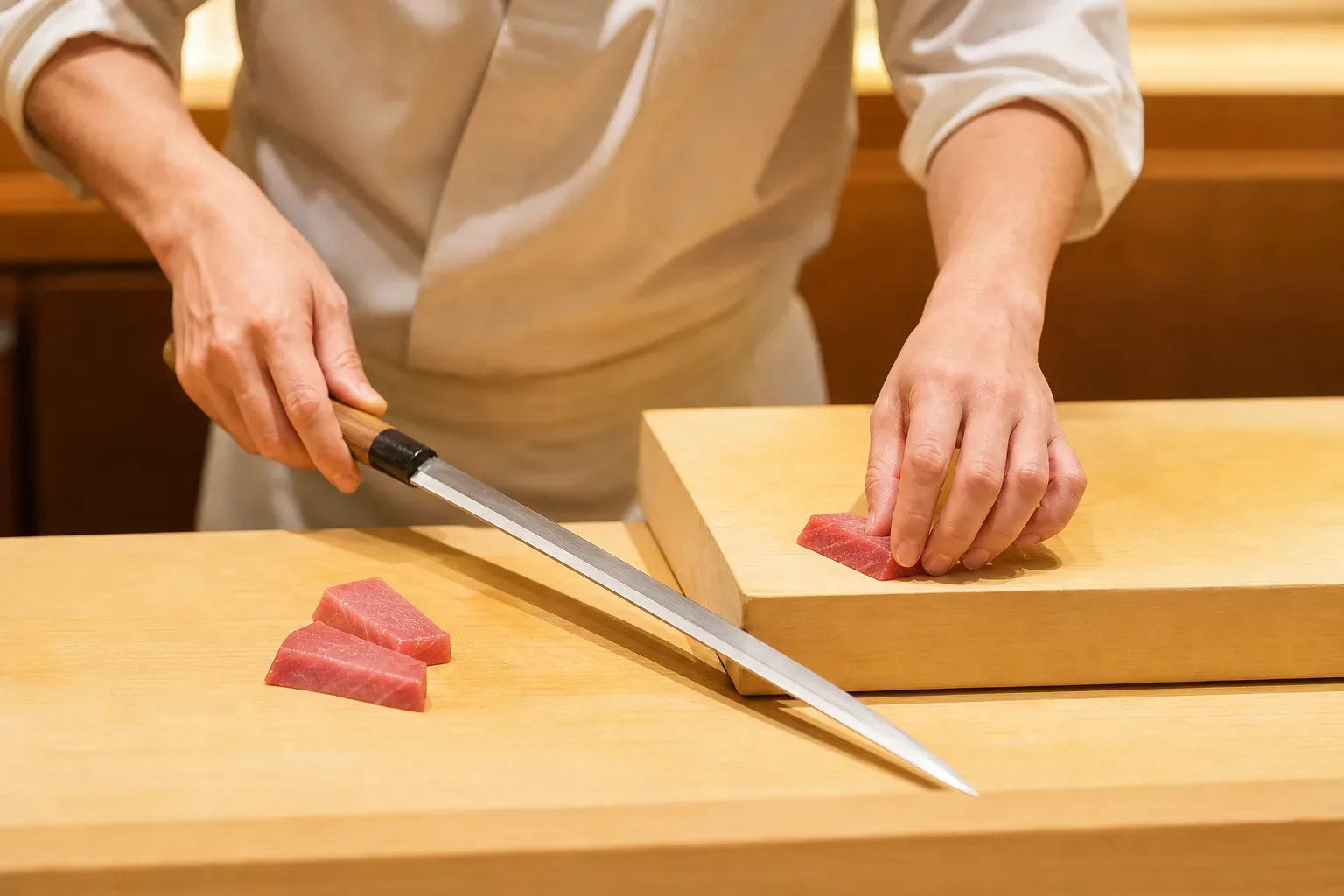
Edinburgh's sushi scene has quietly grown well beyond the city centre chains. While the obvious names fill up on weekends, a handful of smaller, less-publicised spots are turning out rice seasoned with real care, fish sourced thoughtfully, and omakase-style menus that would hold their own in any major European city. Knowing where to look makes the difference between a forgettable conveyor-belt meal and something genuinely memorable.
What Hidden Gem Sushi Restaurants Are Worth Visiting in Edinburgh?
Edinburgh has several under-the-radar sushi spots that locals quietly return to, particularly along Dalry Road, Leith Walk, and in the Stockbridge area. These neighbourhoods tend to draw independent operators rather than franchise groups, which means shorter menus, fresher fish, and chefs who are actually invested in what lands on your plate.
Why Smaller Venues Often Outperform the Famous Names
A restaurant seating 20–30 covers can turn its stock over fast, which matters enormously for sashimi quality. Larger venues are locked into bulk supply agreements; smaller ones can pivot when their fishmonger has an exceptional catch. Edinburgh's proximity to Scottish coastal suppliers, particularly those working out of Peterhead and the east Fife ports, gives independent sushi chefs real options that chains rarely exploit.
The best hidden spots tend to focus on a tight menu: perhaps eight nigiri varieties, three or four maki rolls, a short list of cooked starters. That discipline is a good sign. Chefs who refuse to offer everything are usually the ones who do what they offer very well.
Neighbourhoods Worth Exploring
Leith has seen the most growth in serious independent food operators over the past five years. If you have not walked The Shore and the streets branching off Constitution Street with sushi in mind, you are likely missing something. Stockbridge rewards the same approach: a neighbourhood with a strong local repeat-customer culture, which means restaurants there live or die on consistency rather than tourist footfall.
Dalry Road, running south-west from Haymarket, holds a concentration of Japanese and Korean independents that rarely appear in mainstream Edinburgh food guides. A short walk down that stretch during the early evening reveals lit windows and short queues that most visitors simply never reach.
Where to Eat Alone in Edinburgh?
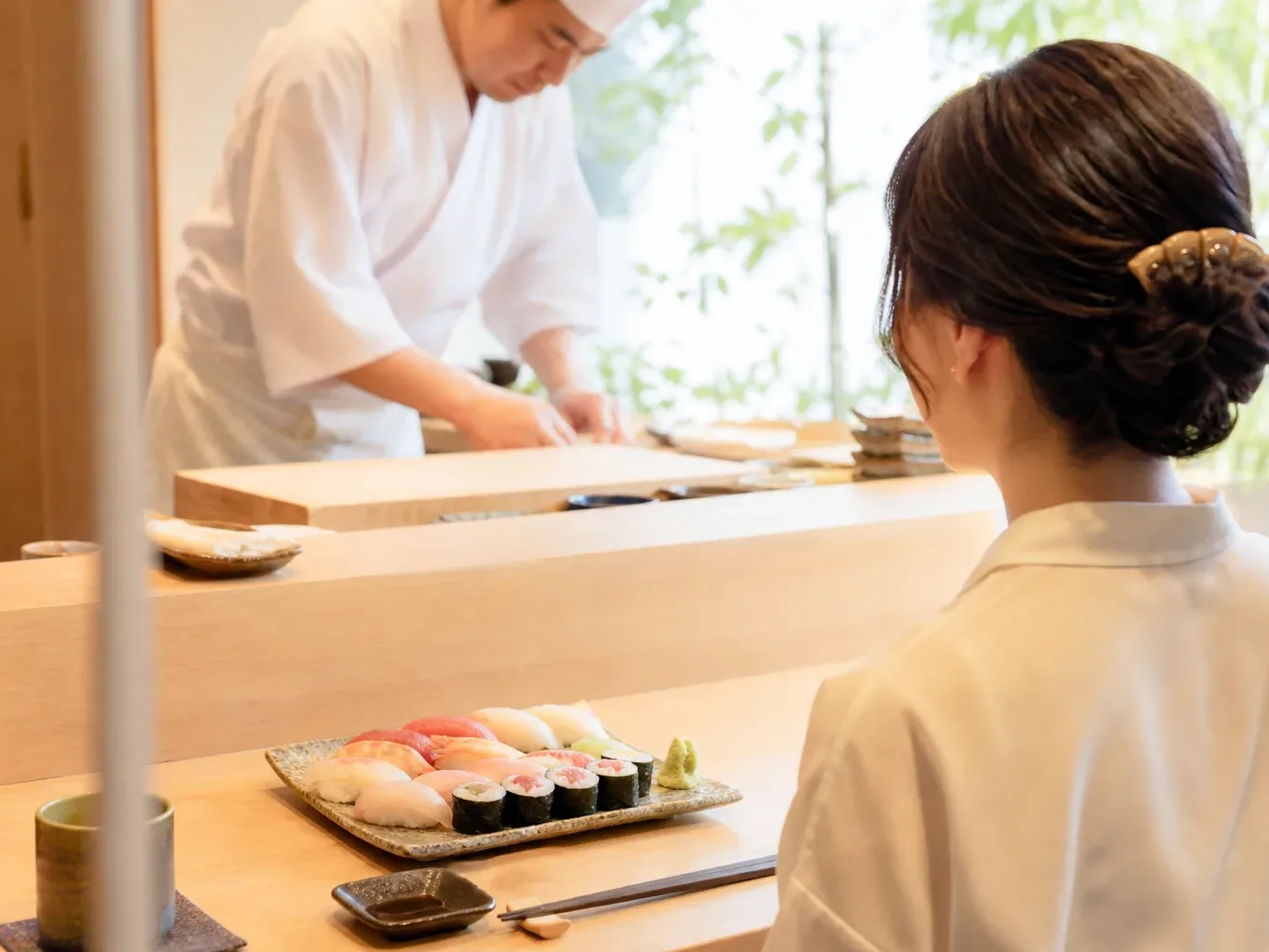
Counter seating is the practical answer, and several of Edinburgh's quieter sushi spots are specifically well set up for solo diners. A counter seat at a small sushi bar puts you directly in view of preparation, which makes the meal itself more engaging and removes any self-consciousness about occupying a table alone.
Solo dining at a sushi counter is a natural fit because the format already encourages a gradual, piece-by-piece pace. You order a couple of nigiri, eat them, consider what you want next. There is no pressure to order everything at once and no awkwardness about lingering. Many Edinburgh sushi operators have absorbed this from Japanese dining culture, where solo counter dining carries no social stigma at all.
Practically, calling ahead by an afternoon is wise for any venue with fewer than 30 seats. A solo diner takes one counter stool and most small spots are happy to accommodate that with almost no notice. Turning up at 6:00 pm on a weekday rather than 7:30 pm on a Friday eliminates nearly all friction.
How to Spot a Genuinely Good Sushi Restaurant
Rice temperature is the fastest honest signal. Sushi rice should be served at just below body temperature, never fridge-cold. A cold piece of nigiri means the kitchen made the rice ahead and stored it, which affects both texture and flavour. A well-run small kitchen makes rice in batches through the service, not at the start of a shift.
Fish colour and smell are equally readable. Salmon should be a clean, vivid orange-pink with no grey edges. Tuna should look almost jewel-like, not dull or brownish. Any faint ammonia smell means you should order something cooked instead.
These cues work at any price point and are easy to notice once you know to look.
Menu length matters, too. A laminated double-sided menu offering 60 rolls, teriyaki, noodles, bento boxes, and bubble tea is not a sushi restaurant with ambition. A single sheet listing the day's fish is a better sign.
What to Order at a Smaller Sushi Spot
Omakase, even an informal version where you simply tell the chef your budget and preferences, is worth trying at any restaurant where the chef is visibly engaged. It removes the decision burden and often results in something you would not have ordered yourself. For a first visit to an Edinburgh independent, asking for a chef's selection of six nigiri typically costs £18–£28 and gives an honest read on the kitchen.
Hand rolls, known as temaki, are another useful order: they are assembled to order, eaten immediately, and cannot be pre-made. If the kitchen makes a clean, tight temaki with crisp nori, the broader menu is likely well-handled. Soggy nori means the roll sat before it reached you.
For cooked options, miso soup made from scratch rather than reconstituted paste has a noticeably deeper flavour and a slight cloudiness. Edamame should arrive well-salted and genuinely hot. These small things indicate the level of attention across the whole kitchen.
Making the Most of Edinburgh's Independent Sushi Scene
Booking a seat two or three days ahead, even at a small venue, signals that you are a serious customer and sometimes prompts a kitchen to offer items not listed on the main menu. This is particularly true for omakase-adjacent experiences at counter-only spots. A quick note when booking that you are open to seasonal specials can open up options that walk-in customers never see.
Repeat visits matter more at these restaurants than at any chain. A chef who recognises you will tailor portions, mention what arrived that morning from the fish market, and occasionally send out a small extra between courses. That kind of hospitality is not on any menu, and it is exactly what the city's quieter sushi spots are quietly capable of offering.
Frequently Asked Questions
What Hidden Gem Sushi Restaurants Are Worth Visiting in Edinburgh?
Edinburgh's most rewarding under-the-radar sushi spots tend to cluster in Leith, Stockbridge, and along Dalry Road near Haymarket. These areas draw independent operators with short, focused menus and access to Scottish coastal fish suppliers. Smaller venues with counter seating are generally the strongest indicator of a kitchen that takes sushi seriously.
Where to Eat Alone in Edinburgh?
Counter seats at smaller Edinburgh sushi restaurants are ideal for solo dining. The format suits a gradual, piece-by-piece pace with no pressure to fill a table. Calling ahead by an afternoon and arriving at around 6:00 pm on a weekday rather than peak Friday evening removes almost any obstacle for a solo diner at a small venue.
How Do I Know If a Sushi Restaurant in Edinburgh Is Genuinely Good?
Check rice temperature first: sushi rice should feel just below body temperature, not fridge-cold. Assess the fish visually for vivid colour and no ammonia smell. A short, focused menu is a positive sign, while a large laminated multi-cuisine menu usually indicates the kitchen is not specialising in sushi quality.
What Should I Order at a Smaller Edinburgh Sushi Spot?
A chef's selection of six nigiri, typically priced at £18–£28, gives an honest read on any independent kitchen. Hand rolls (temaki) are a reliable quality indicator because they must be assembled and eaten immediately. Well-made miso soup and hot, properly salted edamame signal overall kitchen attention.
Is It Worth Booking in Advance at Edinburgh's Independent Sushi Restaurants?
Yes, booking two to three days ahead is worthwhile, especially at counter-only venues with 20–30 seats. Mentioning when you book that you are open to seasonal specials or chef's selections often results in off-menu options that walk-in customers do not see. It also shows the kitchen you are an engaged diner, which influences the quality of service you receive.