 Sushi Restaurant Edinburgh
Japanese Food Culture and Sushi Guide for Edinburgh
More Than Sushi
Japanese food culture is built on precision, seasonality, and respect for ingredients. The term washoku, recognised by UNESCO as an intangible cultural heritage in 2013, describes a dietary tradition shaped by geography: a mountainous island nation with abundant coastline and four distinct seasons. That context matters when you sit down in Edinburgh and order a plate of nigiri, because the best Japanese restaurants here draw directly from those same principles.
Sushi itself is a relatively recent export. Inside Japan, it ranges from casual conveyor-belt kaiten-zushi to formal counter-only omakase experiences costing hundreds of pounds per head. Understanding that spectrum helps you read a menu, judge quality, and decide where your money is best spent.
The Foundations of Japanese Food Culture
Rice, Umami, and the Fifth Taste
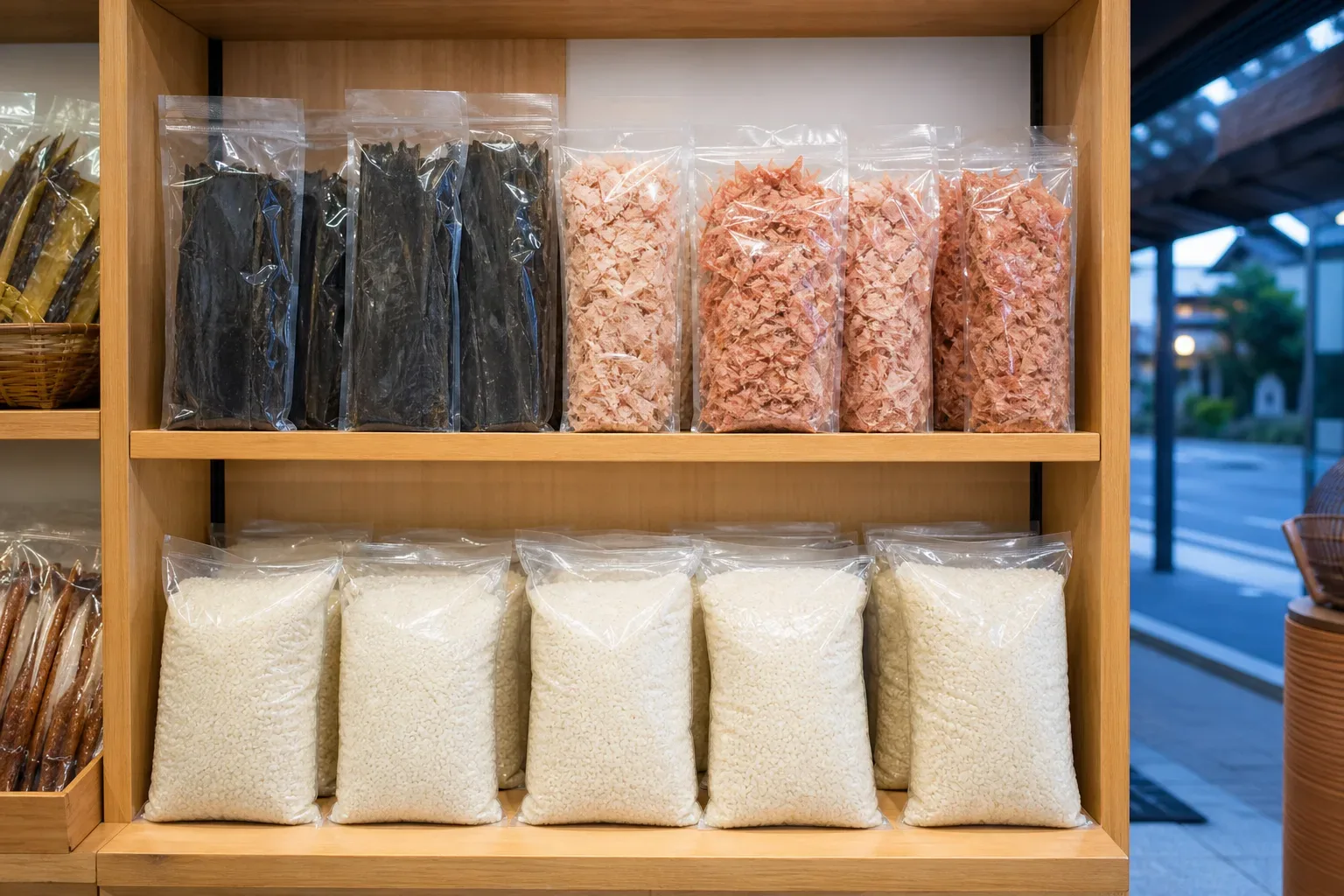
Rice is the centrepiece of almost every traditional Japanese meal. Washoku meals follow a structure called ichiju sansai: one soup, three sides, and a bowl of rice. Umami, the savoury depth found in ingredients like kombu seaweed, miso, and bonito flakes, runs through nearly every dish. Dashi, the foundational broth made from those ingredients, is as important to Japanese cooking as stock is to classical French cuisine.
Soy sauce, mirin, and sake form a secondary triad that seasons everything from teriyaki glaze to the tare brushed onto yakitori skewers. Each has a specific role rather than being interchangeable.
Seasonality and Presentation
Japanese chefs follow shun, the idea that an ingredient is only worth eating at its seasonal peak. Spring brings bamboo shoots and cherry-blossom-flavoured sweets; autumn brings matsutake mushrooms and Pacific saury. Even in Edinburgh, a Japanese restaurant serious about its craft will adjust menus with the seasons rather than offering a static list year-round.
Presentation follows strict principles too. Odd numbers of items on a plate are considered more natural. Bowls are lifted to the mouth; plates stay on the table. These details are not arbitrary fussiness but reflect a coherent aesthetic philosophy rooted in Zen Buddhism and the tea ceremony tradition.
Sushi Specifically - What You Are Actually Eating
The word sushi refers to vinegared rice, not raw fish. Sashimi is raw fish without rice and is a separate dish entirely. Confusion between the two is common outside Japan, but it matters for ordering accurately and for understanding what you are paying for.
The most common forms you will encounter in Edinburgh are nigiri (hand-pressed rice with a topping), maki (rolled in nori seaweed), and temaki (hand-rolled cones). Uramaki, where the rice is on the outside, is a Western adaptation and rare in traditional Japanese restaurants. High-end places may offer omakase tasting menus where the chef selects everything based on what arrived from the fish market that morning.
How to Eat Sushi Properly
Nigiri can be eaten with fingers; chopsticks are equally acceptable. Dip the fish, not the rice, into soy sauce, as the rice absorbs too much and falls apart. Wasabi in authentic Japanese restaurants is served as a separate portion or placed between the fish and rice by the chef, not stirred into the soy sauce dish. Ginger is a palate cleanser eaten between pieces, not a topping.
Eating a piece of nigiri in one bite is preferable to biting it in half and replacing the remainder on the plate. The chef has portioned each piece to deliver a specific ratio of rice to fish in a single mouthful.
Does Japan Have a Street Food Culture?
**Japan has a lively street food culture, most visible at seasonal festivals called matsuri and in specialist food districts. Takoyaki (octopus balls), yakisoba (fried noodles), taiyaki (fish-shaped red bean cakes), and grilled kushiyaki skewers are common street-side offerings.** The city of Osaka is particularly associated with street eating; the phrase kuidaore, meaning "eat until you drop", is essentially the city's unofficial motto.
Convenience stores, known as konbini, blur the line between street food and fast food in Japan. Freshly made onigiri rice balls, hot buns, and oden stew cooked in a heated counter are genuinely good, inexpensive, and eaten standing at the counter or on the go. This culture of casual, high-quality, affordable eating is one of the things visitors to Japan consistently find surprising.
Where to Eat in Edinburgh Not Touristy?
Stockbridge, Bruntsfield, and Leith consistently reward diners who want good food without the Royal Mile premium. Leith in particular has evolved into a serious food destination: its concentration of independent restaurants reflects a local customer base rather than a tourist one. Prices tend to be lower, portion sizes more honest, and menus more considered.
For Japanese food specifically, smaller neighbourhood spots away from the city centre often source better fish and change their menus more frequently than larger venues with high footfall. Checking whether a Japanese restaurant has Japanese or Korean ownership is a reasonable proxy for authenticity, as is a menu that includes dishes beyond sushi, such as donburi rice bowls, ramen, or izakaya-style sharing plates.
Ramen, Izakaya, and Japanese Dining Beyond Sushi
Izakaya are Japan's pub-equivalent: casual after-work drinking establishments where food is ordered in rounds to accompany drinks. Dishes include karaage fried chicken, edamame, gyoza dumplings, and yakitori. The atmosphere is noisy and convivial rather than reverent. Edinburgh has seen izakaya-style menus appear in recent years, and they suit the city's existing pub-going culture well.
Ramen deserves its own category. The broth alone typically takes 12–24 hours to produce, whether it is a cloudy tonkotsu (pork bone), clear shio (salt), or rich miso base. A bowl of properly made ramen in Edinburgh should cost £12–£16 and contain noodles made or sourced specifically for that style of broth. Generic egg noodles served in a vaguely seasoned broth are not ramen in any meaningful sense.
Reading a Japanese Menu in Edinburgh
The presence of certain ingredients signals kitchen quality. Real wasabi (Wasabia japonica) is expensive and grates into a pale green paste with a brief, nasal heat; most restaurants use horseradish paste coloured green. Proper Japanese rice, specifically short-grain varieties such as Koshihikari, holds its shape in nigiri without falling apart or turning glassy. Fish delivered six days a week from a named supplier is a better sign than a laminated menu unchanged since the restaurant opened.
Ask whether the chef trained in Japan or under Japanese chefs. This is a reasonable question, not an intrusive one, and a confident answer in either direction tells you something useful. Edinburgh's Japanese food scene has grown considerably in depth; there are now enough options to make meaningful comparisons rather than simply accepting what is available.
Frequently Asked Questions
Does Japan Have a Street Food Culture?
Japan has a thriving street food culture, most visible at seasonal festivals called matsuri and in specialist food districts like Osaka's Dotonbori. Common offerings include takoyaki (octopus balls), yakisoba (fried noodles), and grilled kushiyaki skewers. Japanese convenience stores also serve freshly made onigiri, hot buns, and oden stew, blurring the line between street food and fast food in a way that consistently surprises visitors.
Where to Eat in Edinburgh Not Touristy?
Stockbridge, Bruntsfield, and Leith are consistently better bets than the Royal Mile area. Leith in particular has become a serious food destination with independent restaurants serving a local customer base, which typically means lower prices and more carefully considered menus. For Japanese food, smaller neighbourhood spots away from the city centre often change their menus more frequently and source better fish than high-footfall venues.
What Is the Difference Between Sushi and Sashimi?
Sushi refers to vinegared rice, with or without a topping; sashimi is sliced raw fish served without rice. The two are separate dishes. Nigiri sushi, for example, is hand-pressed rice with a fish topping, while a sashimi platter contains only the fish. Knowing the distinction helps you order accurately and understand what you are paying for.
How Can I Tell If a Japanese Restaurant in Edinburgh Is Authentic?
Look for menus that go beyond sushi to include dishes like ramen, donburi, karaage, or izakaya-style sharing plates, as these suggest a broader grounding in Japanese food culture. Japanese or Korean ownership is a reasonable proxy for authenticity. Real wasabi (pale, freshly grated, with a brief nasal heat) and properly sourced short-grain rice are concrete quality indicators you can check at the table.
What Is the Correct Way to Eat Nigiri Sushi?
Nigiri can be eaten with fingers or chopsticks; both are acceptable. Dip the fish lightly into soy sauce rather than the rice, which absorbs too much and breaks apart. Wasabi is placed between the fish and rice by the chef in authentic restaurants, so avoid stirring extra into your soy sauce dish. Eat each piece in one bite to maintain the ratio of rice to fish the chef intended.