 Sushi Restaurant Edinburgh
Best Sushi Restaurants in Edinburgh City Centre
Edinburgh's sushi scene has grown considerably over the past few years, moving well beyond basic maki rolls into proper omakase counters, hand-roll bars, and conveyor-belt dining. Whether you want a quick lunch near Princes Street or a relaxed dinner in the Old Town, there are genuinely good options worth your time and money.
What Makes a Sushi Restaurant Worth Visiting
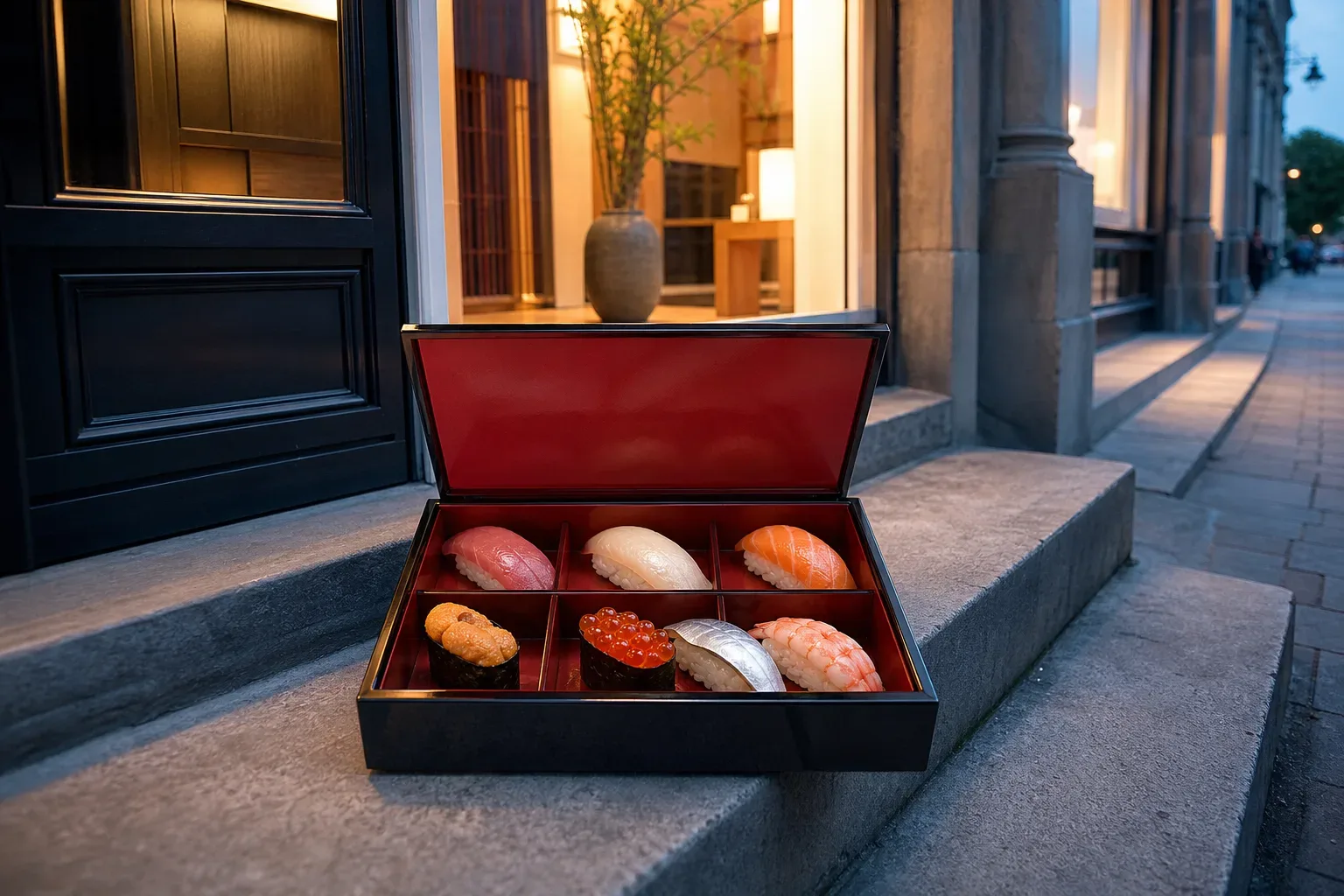
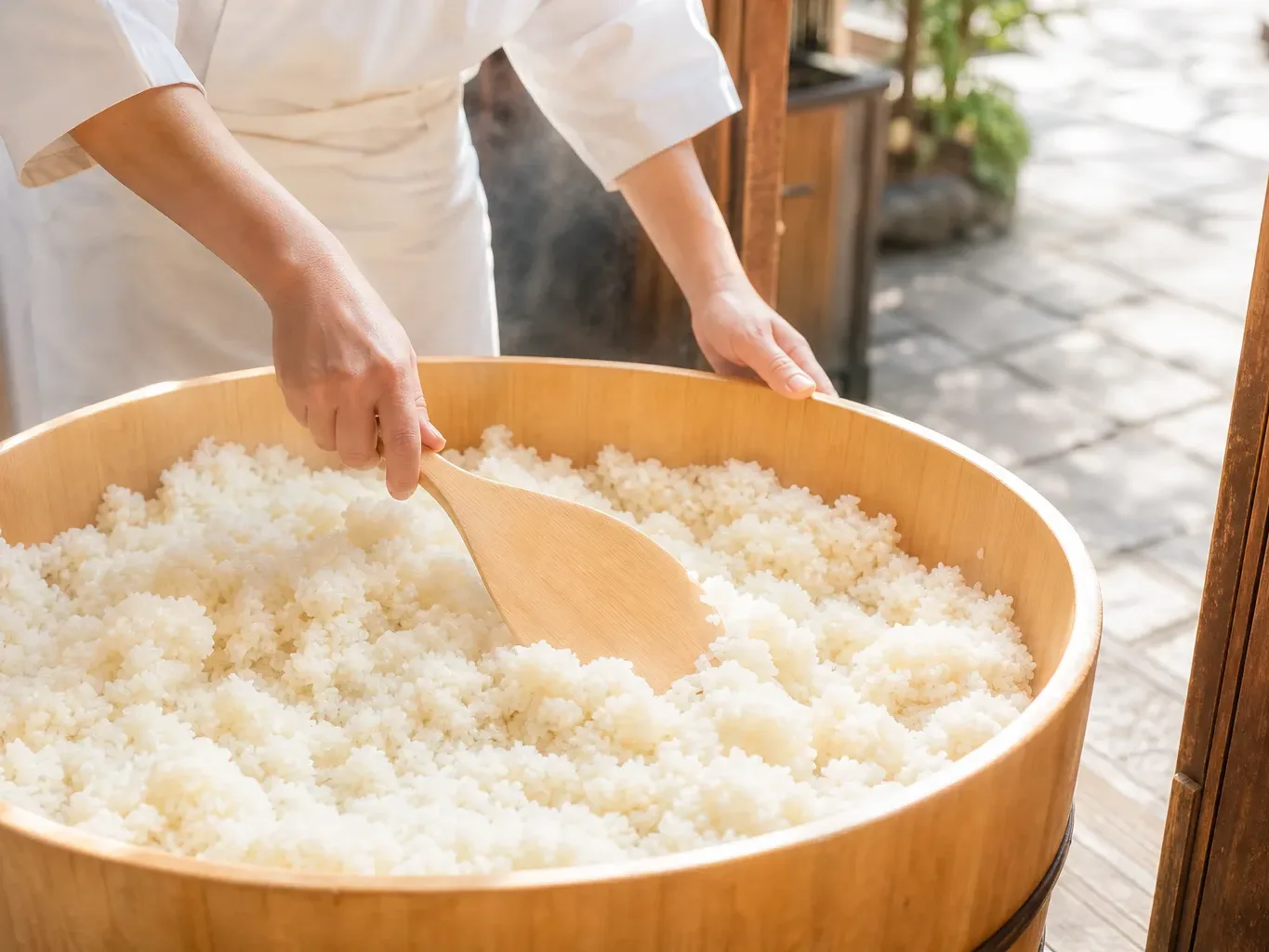
Fresh fish is the obvious starting point, but the quality of rice matters just as much. Properly seasoned, body-temperature shari can make an average piece of salmon nigiri taste exceptional. Beyond the fish, look at the neta-to-rice ratio, the temperature control across the meal, and whether the kitchen handles knife work in-house rather than relying on pre-cut supplier packs.
Service rhythm matters too, particularly at a counter. A good sushi chef reads the pace of the table, spaces courses sensibly, and can explain sourcing without turning it into a lecture.
Where Can I Find New Sushi Restaurants in Edinburgh City Centre?
New openings tend to cluster around Lothian Road, the South Bridge corridor, and the streets between the Grassmarket and the Royal Mile. Edinburgh's hospitality scene turns over fairly quickly, so checking recent Google Maps reviews filtered by date is the most reliable way to catch venues that have opened in the last six months. Local food blogs and the Edinburgh section of community sites like The Skinny also post fairly timely round-ups. Restaurants in covered developments such as St James Quarter occasionally bring in new food operators, so that area is worth monitoring.
What Are the Best Sushi Restaurants in Edinburgh City Centre?
The answer depends on what you prioritise, but a handful of venues consistently earn strong repeat custom. Below is a practical breakdown by style rather than a ranked list, because the right choice really does depend on the occasion.
Conveyor-Belt and Casual Dining
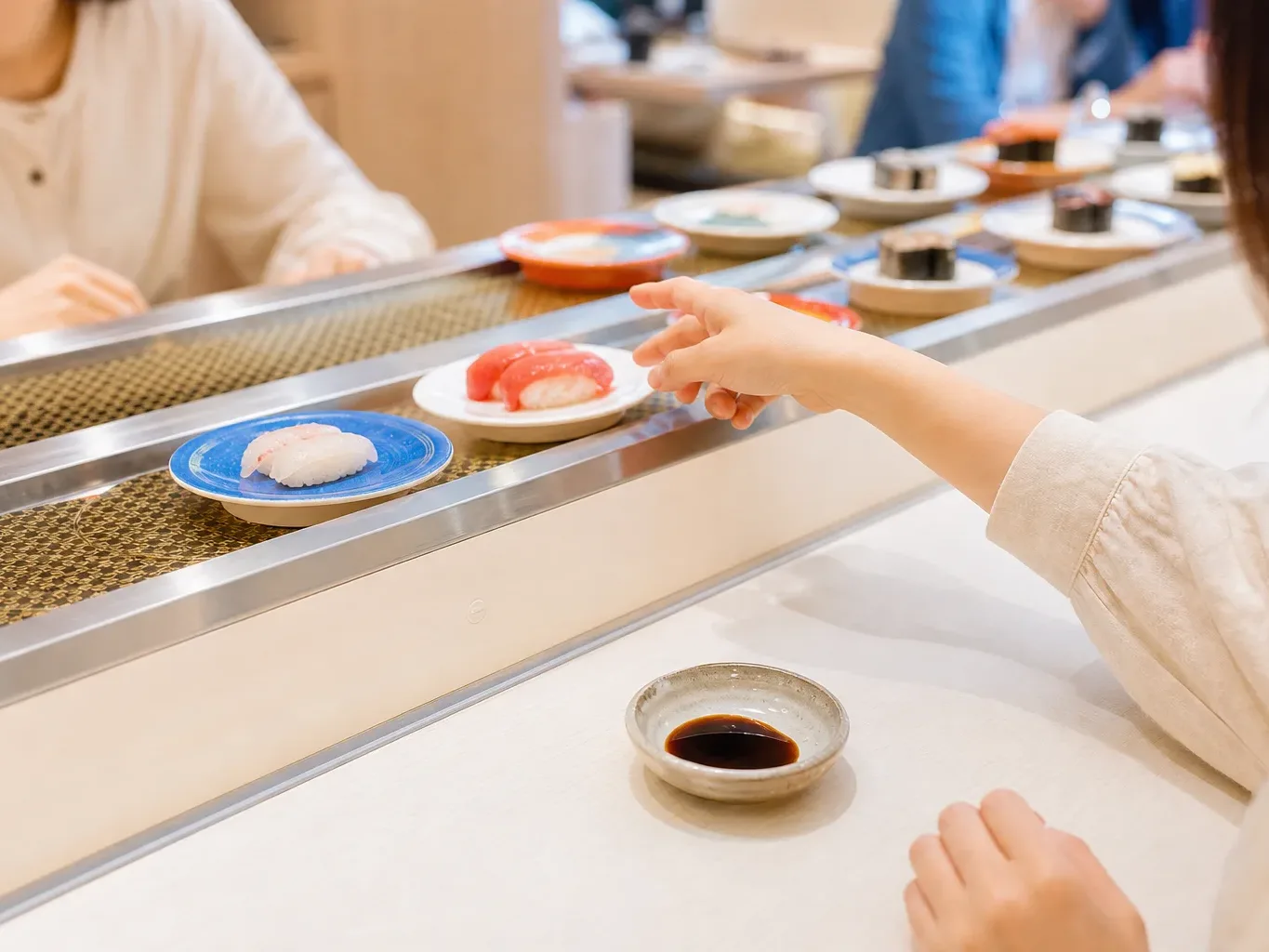
Kaiten-style dining suits quick lunches and groups who want to share without coordinating orders. Plates move at a steady pace, pricing is transparent per plate, and you control the volume. For city-centre Edinburgh, options in this bracket tend to sit in the £2.50–£5.00 per plate range. The format is relaxed enough for children and efficient enough for a 45-minute lunch break near the financial district on Lothian Road.
À La Carte Japanese Restaurants with Strong Sushi Menus
Several Japanese restaurants in the centre offer sushi alongside cooked dishes such as ramen, donburi, and gyoza. This format works well if your group has mixed preferences. Expect to spend roughly £18–£32 per head for a proper sit-down meal with drinks. Quality across this bracket varies, so nigiri and sashimi platters are a useful litmus test: if the fish is dull in colour or the slices are uneven, the kitchen is not prioritising the raw bar.
Specialist Sushi and Omakase Counters
Counter dining, where a chef prepares courses directly in front of you, produces consistently better fish because pieces are served immediately rather than plated and carried. Edinburgh has a small number of venues that operate in this style. Bookings are usually essential, sittings are time-limited to around 90 minutes, and the spend typically runs from £45–£80 per head excluding drinks. This format is best for a birthday, a client dinner, or when you simply want the best fish available that evening.
How Do Edinburgh Sushi Restaurants Source Their Fish?
Most city-centre venues receive deliveries from Scottish and UK-based fish suppliers two to four times per week, with some premium restaurants also importing Japanese varieties such as bluefin tuna or uni directly. Scotland's proximity to quality cold-water fish works in Edinburgh's favour: Shetland salmon, west-coast scallops, and North Sea langoustines appear on several menus and are genuinely good raw ingredients. Asking staff which fish arrived that day is a reasonable question at any counter or mid-range restaurant, and the answer tells you a lot about how the kitchen operates.
What Should I Expect to Pay at a Sushi Restaurant in Edinburgh City Centre?
Budget around £12–£18 for a casual lunch, £25–£40 for a mid-range dinner with a couple of drinks, and £60–£90 per head at a specialist counter including sake or wine. Set lunch menus offer strong value at several restaurants, often including miso soup and a small salad alongside a sushi selection for under £15. Omakase counters generally require a deposit at the time of booking, which is non-refundable if you cancel within 24–48 hours. Factor that in when planning for a group.
Tips for Getting the Most from a City-Centre Sushi Visit
Book ahead for dinner from Thursday to Sunday, especially in the Old Town during the summer festival period in August. Walk-ins are more realistic for lunch on weekdays. If you are ordering at a counter, let the chef lead the progression rather than specifying every piece upfront: the pacing is intentional and the temperature of each fish is chosen with sequence in mind.
Ask about the daily specials before looking at the printed menu. Specials reflect what arrived fresh that day, and they are frequently the best-value pieces on offer. For groups larger than four, calling ahead rather than booking online lets you confirm whether the kitchen can accommodate a shared platter or a custom omakase format for your party size.
Soy sauce is best used sparingly and applied to the fish side of nigiri rather than the rice: rice absorbs too much salt and falls apart. Wasabi served alongside sashimi is typically there to be eaten between pieces rather than dissolved into the soy dish. Smaller details like these make the experience noticeably better without requiring any prior knowledge of Japanese dining etiquette.
Frequently Asked Questions
Where Can I Find New Sushi Restaurants in Edinburgh City Centre?
New openings in Edinburgh city centre tend to appear along Lothian Road, the South Bridge corridor, and around the Grassmarket. Filtering Google Maps reviews by date and checking local publications like The Skinny are the most reliable ways to spot venues that have opened recently. St James Quarter occasionally brings in new food operators and is worth watching.
What Are the Best Sushi Restaurants in Edinburgh City Centre?
The best choice depends on the occasion. For quick lunches, kaiten conveyor-belt restaurants offer good value at around £2.50–£5.00 per plate. À la carte Japanese restaurants suit mixed groups and cost roughly £18–£32 per head. For the highest quality fish, a specialist counter or omakase-style venue is the best option, typically running £45–£80 per head excluding drinks.
How Much Does Sushi Cost at Edinburgh City Centre Restaurants?
A casual lunch runs £12–£18 per person, a mid-range dinner with drinks is typically £25–£40, and a specialist omakase counter costs £60–£90 per head including sake or wine. Set lunch menus at several restaurants offer miso soup, a salad, and a sushi selection for under £15, which is strong value.
Do Edinburgh Sushi Restaurants Use Locally Sourced Fish?
Many do. Scotland's cold-water fish, including Shetland salmon, west-coast scallops, and North Sea langoustines, appear on several Edinburgh menus and are excellent raw ingredients. Some premium venues also import Japanese varieties such as bluefin tuna or uni. Asking staff which fish arrived that day is a good way to judge how fresh the menu is.
Do I Need to Book a Sushi Restaurant in Edinburgh City Centre in Advance?
For dinner from Thursday to Sunday, and especially during the August festival period, booking ahead is strongly recommended. Weekday lunches are more accommodating for walk-ins. Omakase and counter-dining venues almost always require a reservation and may ask for a non-refundable deposit, so check cancellation terms when booking.