 Sushi Restaurant Edinburgh
Vegan-Friendly Japanese Restaurants in Edinburgh
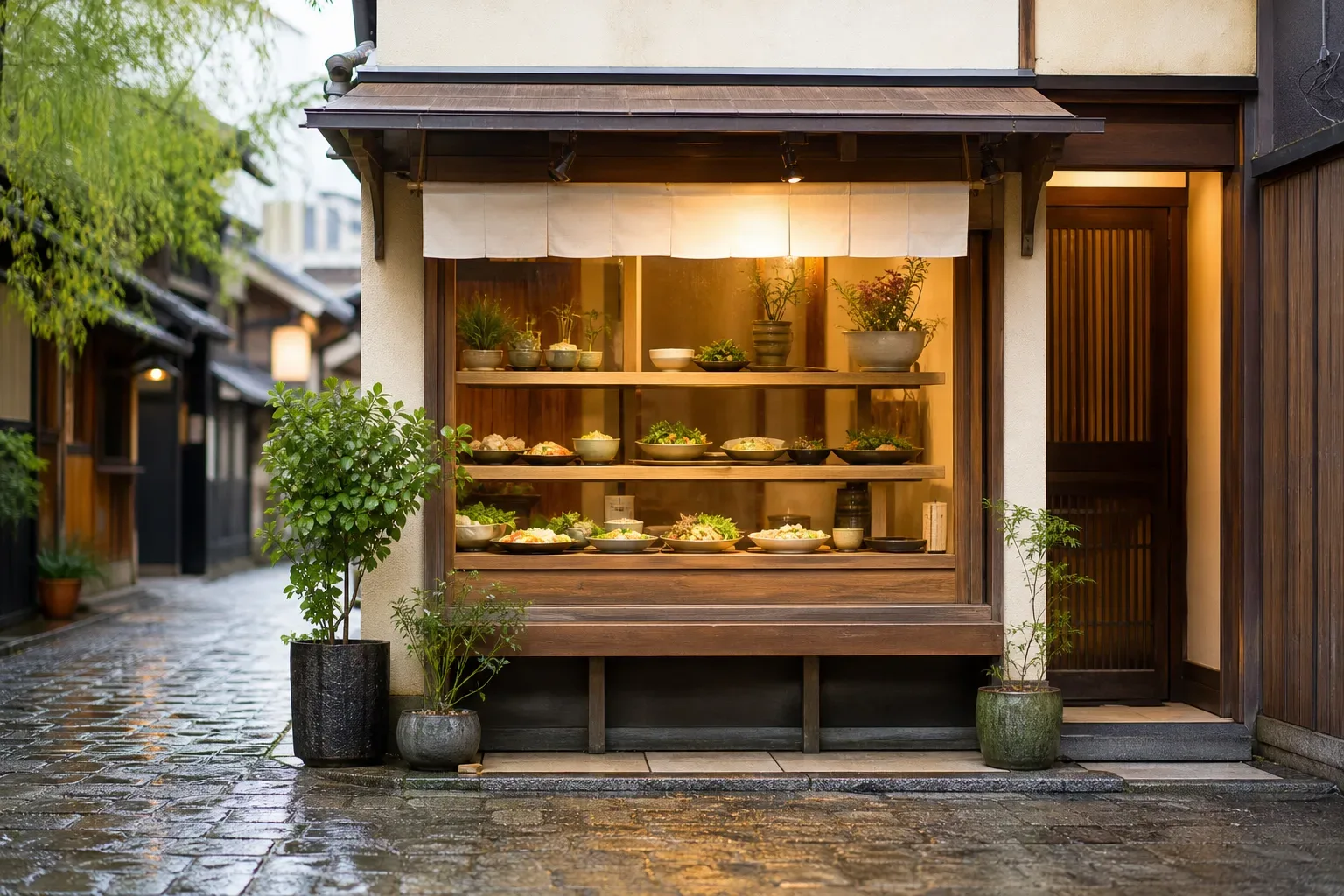
Edinburgh's Japanese dining scene has expanded well beyond raw fish and beef ramen. Several kitchens in the city now build dedicated plant-based menus or clearly label vegan options, making it genuinely practical to eat Japanese food without scanning every dish for hidden dashi or bonito flakes.
Why Japanese Cuisine Suits Plant-Based Diners
Many of Japan's oldest culinary traditions are built around vegetables, tofu, miso, and grains rather than meat. Buddhist temple cooking, known as shojin ryori, has been entirely plant-based for centuries. Edinburgh restaurants drawing on these traditions tend to offer a broader vegan selection than a typical European kitchen would, because the base ingredients already lean that way.
The challenge is usually broth. Standard Japanese stock relies on kombu seaweed combined with katsuobushi (dried tuna flakes), so vegan diners should ask whether soups use a kombu-only or shiitake dashi base. Reputable restaurants will know the answer immediately.
What to Expect at Edinburgh Japanese Restaurants
Edinburgh's Japanese options range from quick-serve chains to independent sushi bars and izakaya-style dining rooms. Quality and vegan coverage vary considerably, so it pays to check menus online before you go.
Wagamama
Wagamama has outlets on George Street and Ocean Terminal. The chain publishes a full allergen and dietary matrix online, and its plant-based menu includes dishes such as the Vegatsu (a panko-coated sweet potato katsu curry) and Chilli Squid replaced with tofu alternatives. Ingredient sourcing is consistent across all UK branches, so the vegan-labelled items in Edinburgh match what appears on the central menu. Portions are generous and prices sit in the £12–£18 range for a main.
Kanpai Sushi
Kanpai on Grindlay Street is one of Edinburgh's most established Japanese independents. The menu includes several vegetable maki rolls, age-dashi tofu, and edamame, though the kitchen also handles fish throughout the day. It is worth asking staff which sauces contain fish stock, as some traditional preparations are not automatically vegan. The team is generally accommodating and will confirm substitutions.
Nobu Edinburgh
Nobu at the St James Quarter sits at the premium end of the market, with mains and sharing plates often exceeding £30. The kitchen can prepare plant-based versions of several signature dishes on request, including miso-marinated aubergine and avocado-based rolls. Because Nobu operates as a fine-dining venue, the staff are experienced at dietary customisation, and advance notice when booking helps the kitchen plan.
Harajuku Kitchen
Harajuku Kitchen on Gillespie Place has earned a loyal local following for its authentic home-style Japanese cooking. Vegan options are present on the regular menu and include agedashi tofu, vegetable gyoza, and miso soup made with kombu dashi. The restaurant is small, so booking ahead is advisable, particularly at weekends.
Dishes Worth Ordering as a Vegan
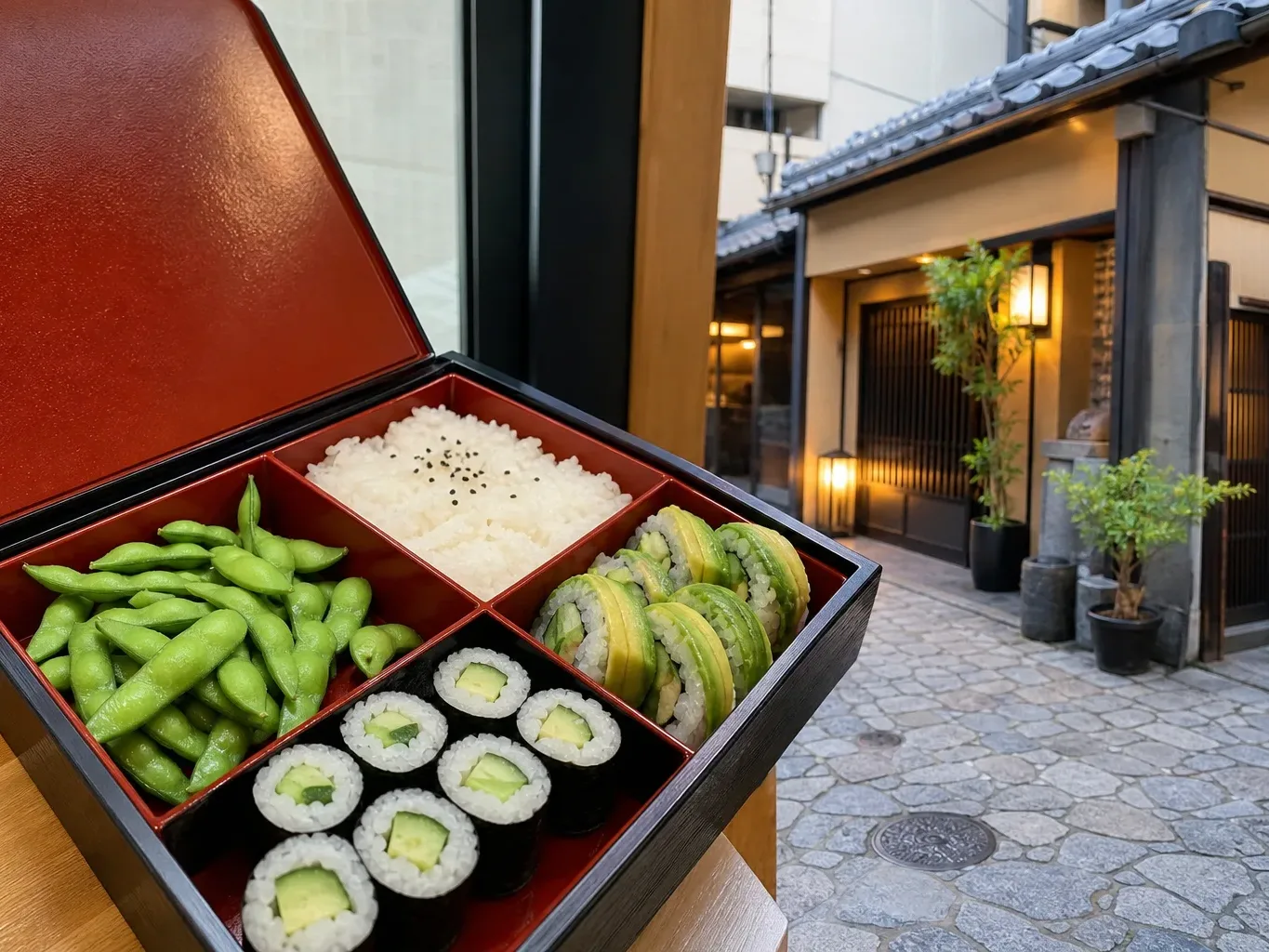
Some Japanese dishes are almost always plant-based by default. Edamame, cucumber and avocado maki, and plain steamed rice carry minimal risk. Agedashi tofu is typically safe if the dipping broth uses vegetable stock, which is worth confirming. Vegetable gyoza are common, though the dipping sauce occasionally contains fish, so request a soy-only alternative.
Miso soup is a frequent point of confusion. White (shiro) miso paste is vegan, but traditional miso soup uses dashi that includes bonito. Ask specifically whether the broth is kombu-only before ordering.
Tempura vegetables are another reliable option when made with a simple batter of flour and cold water, though shared fryers with seafood can be a concern if you observe a strict diet.
Reading Menus and Asking the Right Questions
The most effective single question to ask a Japanese kitchen is: "Does this dish contain any fish-based stock, sauce, or seasoning?" That covers dashi, mirin (which is typically vegan but sometimes confused with fish-containing sauces), and condiments like Japanese Worcestershire sauce, which often contains anchovies.
Many Edinburgh restaurants now mark menus with V for vegetarian and VE or PB for plant-based. Where those markers are absent, the kitchen should be able to point you to a written allergen guide. Under UK food labelling law, restaurants must be able to provide allergen information on request, which indirectly helps vegan diners trace fish and shellfish presence.
If you are eating at a smaller independent, calling ahead during a quiet period rather than asking during a busy Friday service is a practical way to get thorough answers.
Combining Vegan and Gluten-Free Needs
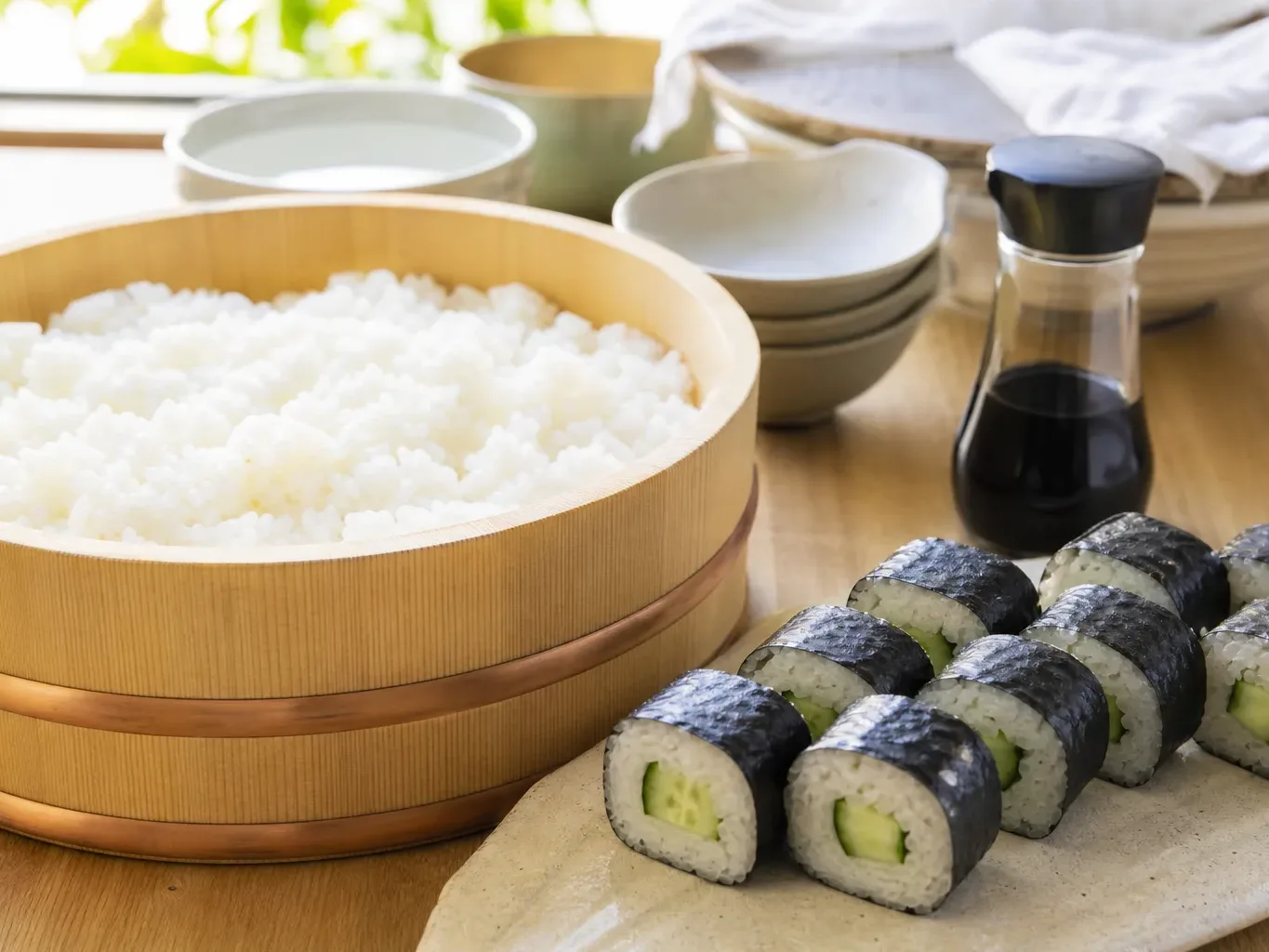
Soy sauce contains wheat, which affects both coeliacs and gluten-sensitive diners. Tamari is a wheat-free alternative that most Japanese kitchens stock, and asking for it is a reasonable request at any reputable venue. Some Edinburgh restaurants, Wagamama included, can substitute tamari across relevant dishes.
If you are both vegan and coeliac, it narrows your options further, since tempura batter is usually wheat-based and gyoza wrappers contain flour. Focusing on plain maki rolls, rice dishes, and confirmed tamari-based sauces tends to be the safest route. Phoning ahead lets the kitchen prepare rather than improvise under service pressure.
Frequently Asked Questions
Are There Vegan Restaurants in Scotland?
Yes, Scotland has a growing number of dedicated vegan restaurants and many omnivore venues that offer strong plant-based menus. Edinburgh in particular has a wide range of options, including Japanese restaurants with clearly labelled vegan dishes and kitchens experienced in plant-based substitutions.
Is Edinburgh Good for Coeliacs?
Edinburgh is reasonably accommodating for coeliacs, with many restaurants publishing allergen matrices and offering gluten-free alternatives. In Japanese restaurants specifically, the main concern is soy sauce, which contains wheat. Most venues will substitute tamari on request, and some, such as Wagamama, have formal procedures for allergen management.
Is Wagamama Coeliac Accredited?
Wagamama is not currently certified by Coeliac UK as a fully gluten-free venue, but it does provide a detailed allergen guide and can adapt several dishes for gluten-sensitive diners using tamari in place of soy sauce. If you have coeliac disease, speak directly to the manager on arrival so the kitchen can take appropriate precautions with shared equipment.
What Japanese Dishes Are Naturally Vegan?
Edamame, plain steamed rice, cucumber and avocado maki, and vegetable gyoza are commonly vegan, though you should confirm the gyoza dipping sauce contains no fish. Agedashi tofu and miso soup depend on the broth: ask whether the kitchen uses kombu-only dashi rather than a fish-based stock.
Does Soy Sauce Contain Animal Products?
Standard soy sauce is vegan, being made from fermented soybeans, wheat, water, and salt. However, it does contain wheat, so it is not suitable for coeliacs. Some seasoning sauces used in Japanese cooking, such as certain Worcestershire-style condiments, do contain anchovies, so it is worth asking about specific sauces rather than assuming all are plant-based.